20% OFF COUPON CODE = SAVE2026
Wood Species Guide for Stair Parts
Red oak is the most common wood for stair parts. It’s hard, affordable and takes stain well. White oak is the top pick for modern, natural finishes, and poplar is the best choice if you’re painting. For the hardest wood, look at hickory, pecan or Brazilian cherry. Below, all 14 species we offer are compared by color, hardness and best use.
Wood Species Samples



Wood Species Compared
Janka hardness measures how well a wood resists dents. Higher is harder. Numbers are typical published values and vary from board to board.
| Species | Hardness (Janka, lbf) | Color | Best for |
|---|---|---|---|
| Red Oak | 1,290 | Light to medium brown, reddish cast | Stained treads, rails and newels on a budget |
| White Oak | 1,360 | Light to medium brown, slightly yellow or gray | Modern and natural finishes |
| Hickory | 1,820 | Light tan to reddish brown, with dark streaks | Rustic looks and heavy traffic |
| Pecan | 1,820 | Yellow to reddish brown | Rustic looks and heavy traffic |
| Maple | 1,450 | Pale, creamy white | Light, clean finishes and paint |
| Brazilian Cherry | 2,350 | Rich reddish brown, darkens over time | Matching Brazilian cherry floors |
| American Cherry | 950 | Pinkish brown that deepens to reddish brown | Traditional, high-end stairs |
| Walnut | 1,010 | Rich dark chocolate brown | Upscale looks without stain |
| Mahogany | About 800 to 900 | Reddish brown | Elegant, traditional handrails |
| Clear Alder | 590 | Light, even brown | Stained looks on a budget |
| Knotty Alder | 590 | Medium to light brown, with knots | Rustic and farmhouse styles |
| Poplar | 540 | Light cream with green or gray streaks | Painted parts |
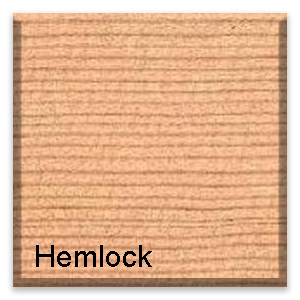
| Hemlock | 540 | Light brown to yellowish brown | Painted or light stained parts |
| Pine | About 380 to 870, depending on type | Pale yellow to creamy white, often with knots | Painted parts and rustic looks |
Wood Species for Stairs, One by One
Red Oak
The most common wood for stair parts in America. It’s hard, holds up to daily traffic, and has a strong, open grain that takes stain evenly, so it works with almost any color. If you’re matching existing oak floors or trim, it’s usually red oak.
White Oak
A little harder than red oak, with a tighter grain and a cooler, less pink color. It looks great with a clear or natural finish, and it’s the go-to wood for modern and Scandinavian-style stairs.
Hickory
One of the hardest domestic woods, so it shrugs off dents. It has a lot of color variation from board to board, which gives it a bold, rustic look.
Pecan
Pecan is in the hickory family and is just as hard. It has warm color variation and a more rustic character than oak.
Maple
Hard, smooth and very consistent, with a subtle grain. It’s beautiful natural or painted. Maple can look blotchy with dark stains, so use a pre-stain conditioner or go lighter.
Brazilian Cherry
Also called jatoba. It’s the hardest wood on this list and very dense. The deep red-brown color darkens with age, so most people leave it natural instead of staining it.
American Cherry
A fine, smooth grain and a warm color that gets richer over the years. It’s softer than oak, so it can dent. Like maple, it can blotch with dark stains.
Walnut
A naturally dark wood, so you get a rich color without stain. It’s a premium look, but it’s softer than oak and can scratch or dent more easily.
Mahogany
A straight, fine grain and a classic reddish-brown color. It’s stable and doesn’t warp much, which makes it a nice wood for handrails.
Clear Alder
Clear alder has a smooth, even look with no knots. It stains well and is often used to get a cherry-like look for less. It’s a softer wood, so it can dent.
Knotty Alder
The same wood as clear alder, but with the knots left in for a rustic, farmhouse look. It’s soft and easy to finish.
Poplar
Poplar is technically a hardwood, but it’s soft. Its color isn’t pretty under stain, but it takes paint very well, so it’s a great, affordable choice for painted balusters, newels and risers.
Hemlock
A light, straight-grained softwood that machines smooth and takes paint and stain well. It’s softer than the hardwoods, so a good finish helps it hold up.
Pine
An affordable softwood that stains or paints easily. It’s the softest wood here, so it dents more than oak, especially on treads.
How to Choose
- Staining? Red oak or white oak. They stain evenly and hide wear.
- Painting? Poplar. It’s affordable and paints smooth.
- Lots of kids or pets? Go harder: hickory, pecan, white oak or Brazilian cherry.
- Matching floors? Use the same species as your floors, then match the stain.
- Rustic look? Knotty alder, hickory or pine.
Not every species is available for every part. Check the product page, or call (866) 727-9356. See also types of stair treads and parts of a staircase.
Wood Species FAQ
What is the best wood for stair treads?
Red oak is the most popular because it’s hard, affordable and stains evenly. White oak is a bit harder and is best for natural or modern finishes. For the most dent resistance, choose hickory, pecan or Brazilian cherry.
What is the best wood for painted stair parts?
Poplar. It’s smooth, affordable and takes paint very well.
What is the hardest wood for stairs?
Of the species we offer, Brazilian cherry (jatoba) is the hardest, followed by hickory and pecan.
Is red oak or white oak better for stairs?
Both are great. White oak is a little harder with a cooler color and tighter grain, which suits modern and natural finishes. Red oak has a warmer, pinker tone and is the most common choice for stained stairs.
Why does my maple or cherry look blotchy after staining?
Maple and cherry absorb stain unevenly. Use a pre-stain conditioner, or choose a lighter stain or a clear finish.