
20% OFF COUPON CODE = SAVE2026
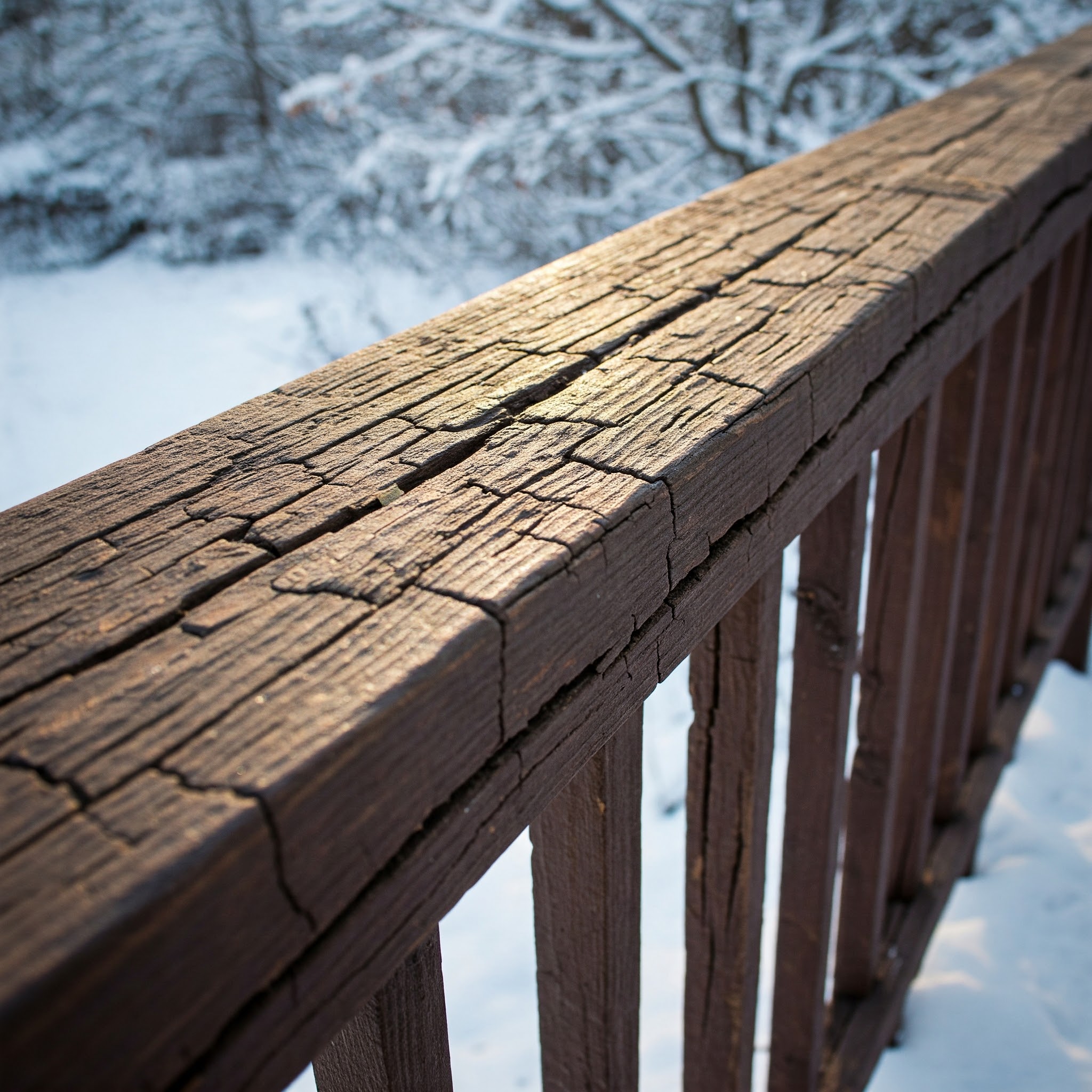
Climate Considerations for Wood Staircase Installation
Wood treads, risers and handrails swell in humid weather and shrink when it’s dry, so let them sit in the room where they’ll be installed for a few days before you install them. Keep the house at normal living temperature and humidity while they acclimate, and seal every side of each piece once it’s in. That keeps gaps, cupping and cracks to a minimum.
Why Climate Matters
Wood takes on and gives off moisture from the air. A tread installed while it’s damp will shrink and open gaps once the house dries out. A tread installed bone-dry can swell and cup in a humid summer. Humid climates like the Gulf Coast, and very dry winters up north, make it more noticeable.
How to Acclimate Wood Stair Parts
- Bring the parts inside and unpack them in or near the stairwell.
- Run the heat or AC as you normally would. Don’t acclimate in a garage or an unconditioned house.
- Stack treads with spacers between them so air can reach every side.
- Wait a few days before installing. Longer in very humid or very dry weather.
Tips for a Long-Lasting Install
- Seal all sides. All of our treads ship unfinished. Stain and seal the top, bottom and edges so moisture moves in and out evenly.
- Glue down treads properly. Use construction adhesive in S-shaped beads. See which glue to use.
- Wait on new construction. Let new drywall, paint and concrete dry out before installing wood stair parts.
- Keep humidity steady year-round if you can.
Choosing treads? See types of stair treads and wood species for stair parts.
Wood Stair Climate FAQ
Do wood stair treads need to acclimate?
Yes. Let them sit in the house at normal temperature and humidity for a few days before installing so they don’t shrink or swell afterward.
Why are there gaps in my stair treads?
Usually the wood was installed with more moisture in it than the house has, and it shrank as it dried.
Should I seal the bottom of stair treads?
Yes. Sealing every side helps the wood take on and lose moisture evenly, which reduces cupping.
