


24" x 120" Wooden Bullnosed Stair Tread
Select options

6210 Straight Wooden Handrail - 16 FT Long
Select options
Related Products

Select options
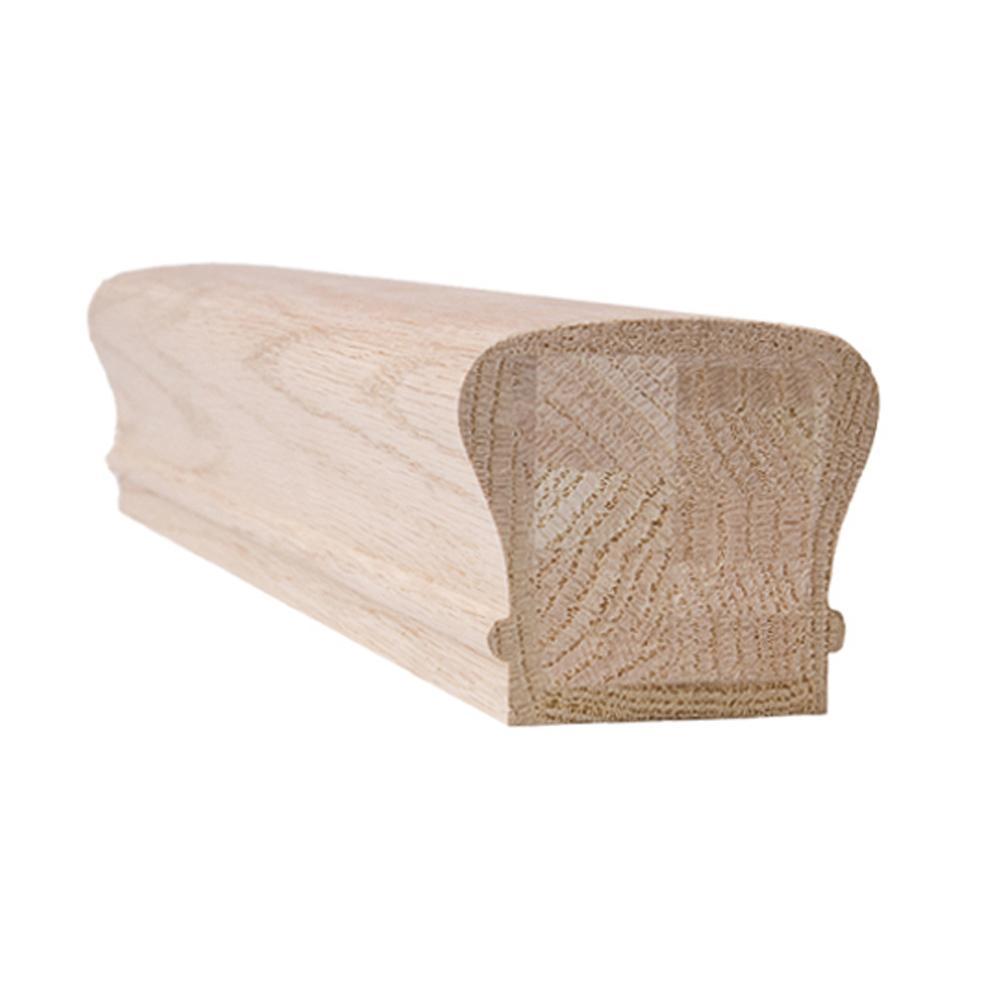
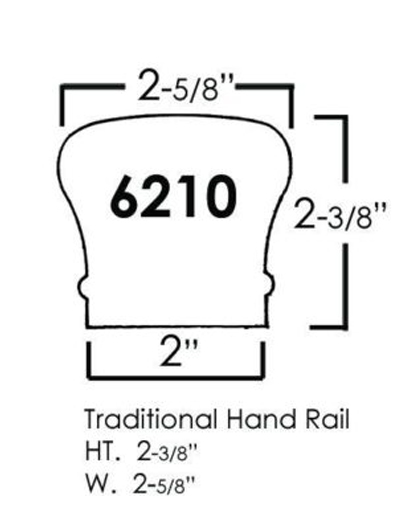
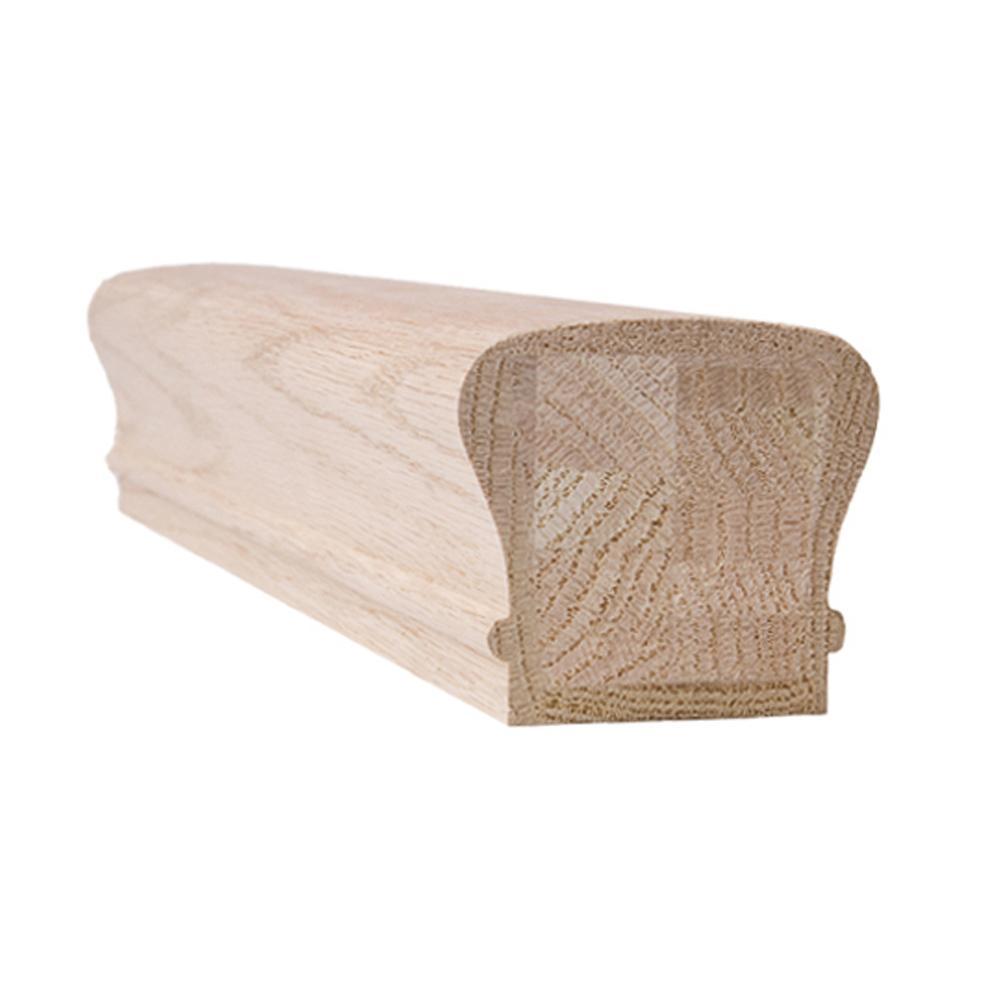
This House of Forgings 6210 straight handrail is 14 feet long for staircase installations. It follows industry-standard profiles.
Key specs:
Usage Tips: Although ready to stain, inspect for handling marks or smudges and lightly sand with 220-grit or finer paper, then wipe clean with a tack cloth before applying stain to ensure even absorption.
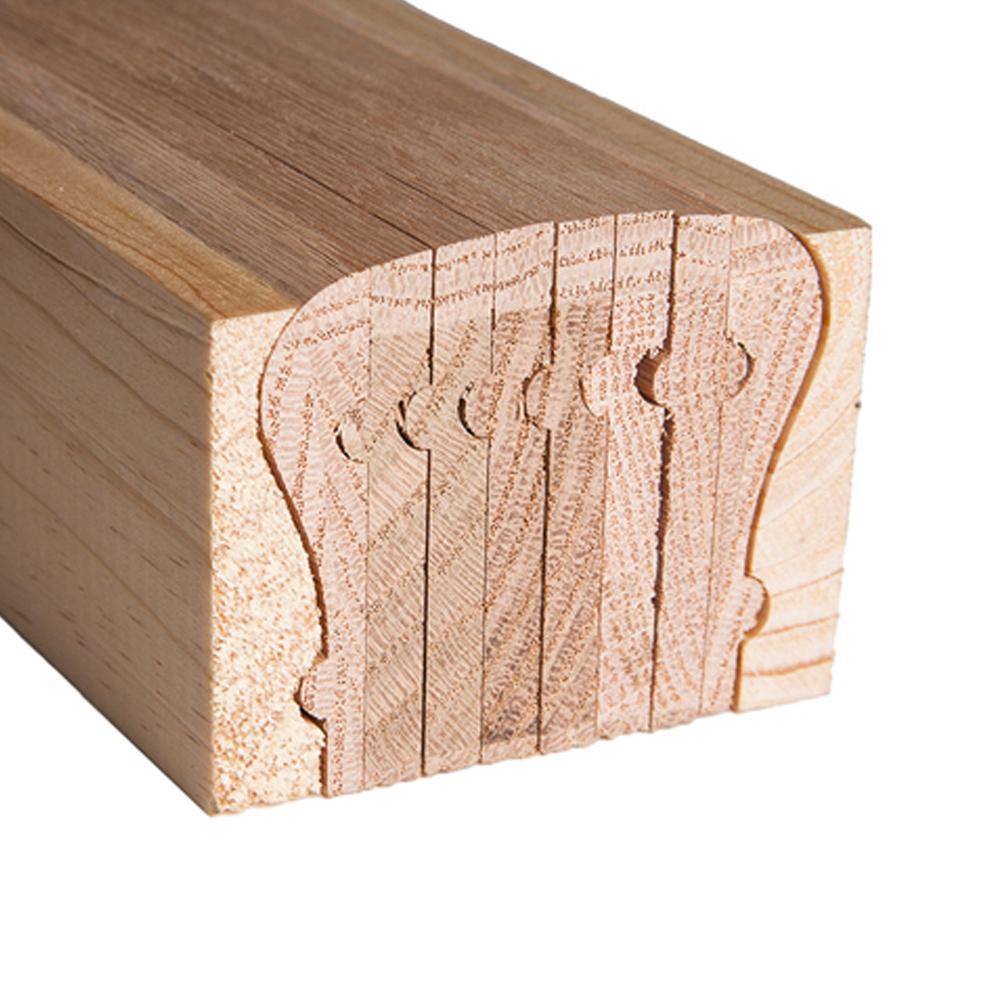
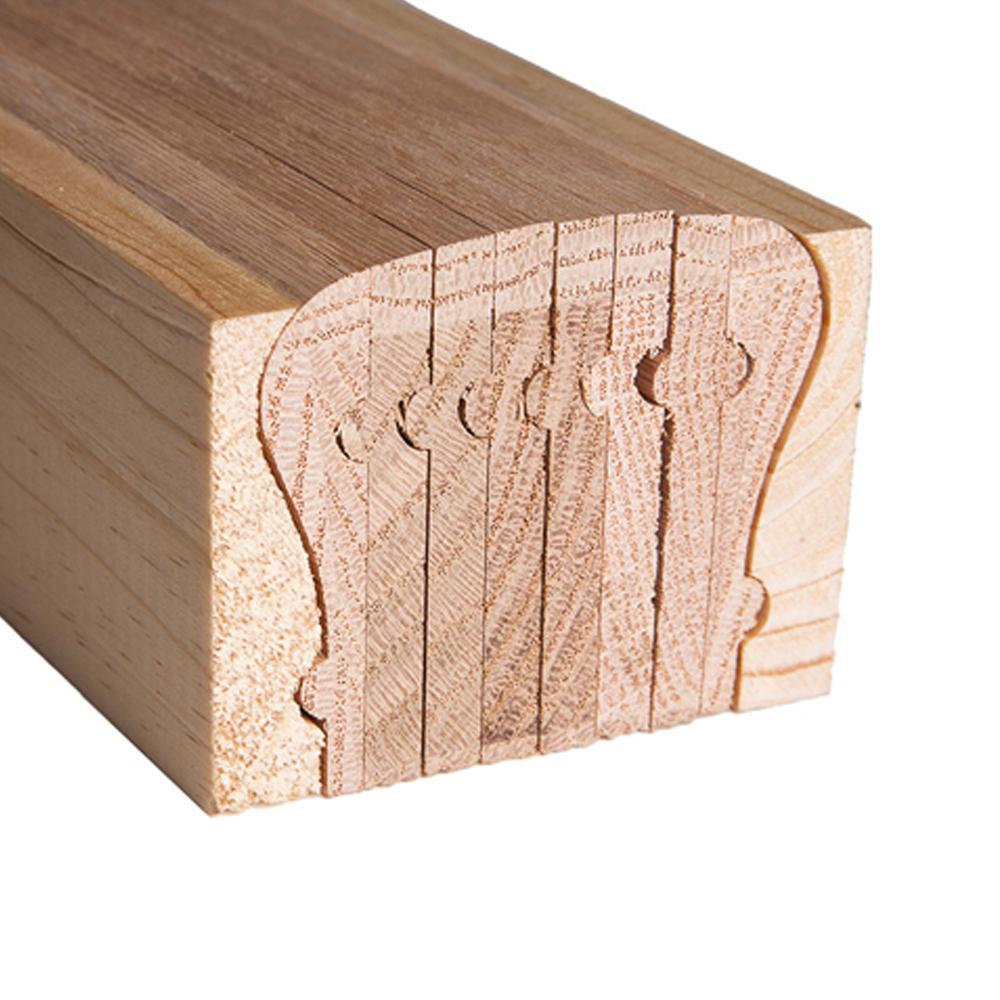
Construction: Wood handrail will contain some joints and is constructed in layers. This type of construction puts the grain going against each other in order to prevent potential future warping. All wood bends has the potential to bend and when it does it typically bends one single direction which is why virtually all handrail produced will have the construction method similar to ours and aims to prevent wood warping. Also many wood species simply do not come in these extreme lengths. Our handrail gets installed daily in custom and production homes with zero issues and stains beautifully.
Availability and lead times:
Shipping: This can only ship heavy freight due to the length. Anything over 8 ft can not ship ground. Contact us for more info.
Only logged in customers who have purchased this product may leave a review.
Sanding & Staining Guide for Unfinished Wood Stair Parts
Our wood treads, handrails, newels, and fittings ship unfinished and factory-sanded to about 120–150 grit. That is a good starting surface, but we recommend a light final sanding before stain.
Before you stain
Why color can vary, even on the same order Handrails and fittings are often made from finger-jointed or glued-up blocks. That is normal and helps keep long rails straight. It also means one run can include wood from different trees, different parts of a tree, and different grain cuts.
This is why two White Oak pieces from the same order can still stain a little differently. It is a characteristic of real wood, not a finishing failure by itself.
What stain works best
Use a pre-stain wood conditioner on Maple and other tight-grain woods. It is optional on White Oak. Red Oak is open-pored and usually takes stain evenly without it.
Apply thin coats. Wipe off the excess with the grain. After the stain is fully dry, protect the surface with a durable floor-grade topcoat. Stairs take more wear than furniture.
If the color already looks blotchy or mismatched Once a clear coat is on, you cannot just re-stain over it.
Stain and finish all matching parts at the same time, with the same product and the same sanding grit, for the most consistent result.
No account yet?
Create an Account
20% OFF ALL STAIR PARTS FOR A LIMITED TIME
Save big in 2026 on your stair remodel project
Verified owner Kaite (Verified Customer) –
Wow!! It’s Lovely and Cheap Stair Parts was Awesome to deal with!!! Our home was built in 1937, a traditional colonial, really beautiful but the staircase was not. We finally decided to upgrade it. I got a quote from a local upscale lumber store for just the parts: 40 spindles & 2 handrails … $2,863. I purchased 40 spindles, already painted white & 2 solid red oak bannisters from CSP for $785 including tax & shipping!! I am not kidding!!! Wow what a deal … I called to add 2 additional handrails & the woman who helped me (darn I wish I remembered her name) was great & made it very easy. Bottom line… the product is the highest quality, with great efficient service all at a Great price!!