6040 Wall Rail Wooden Handrail – 1-3/4″ Wide – Red Oak
Select options
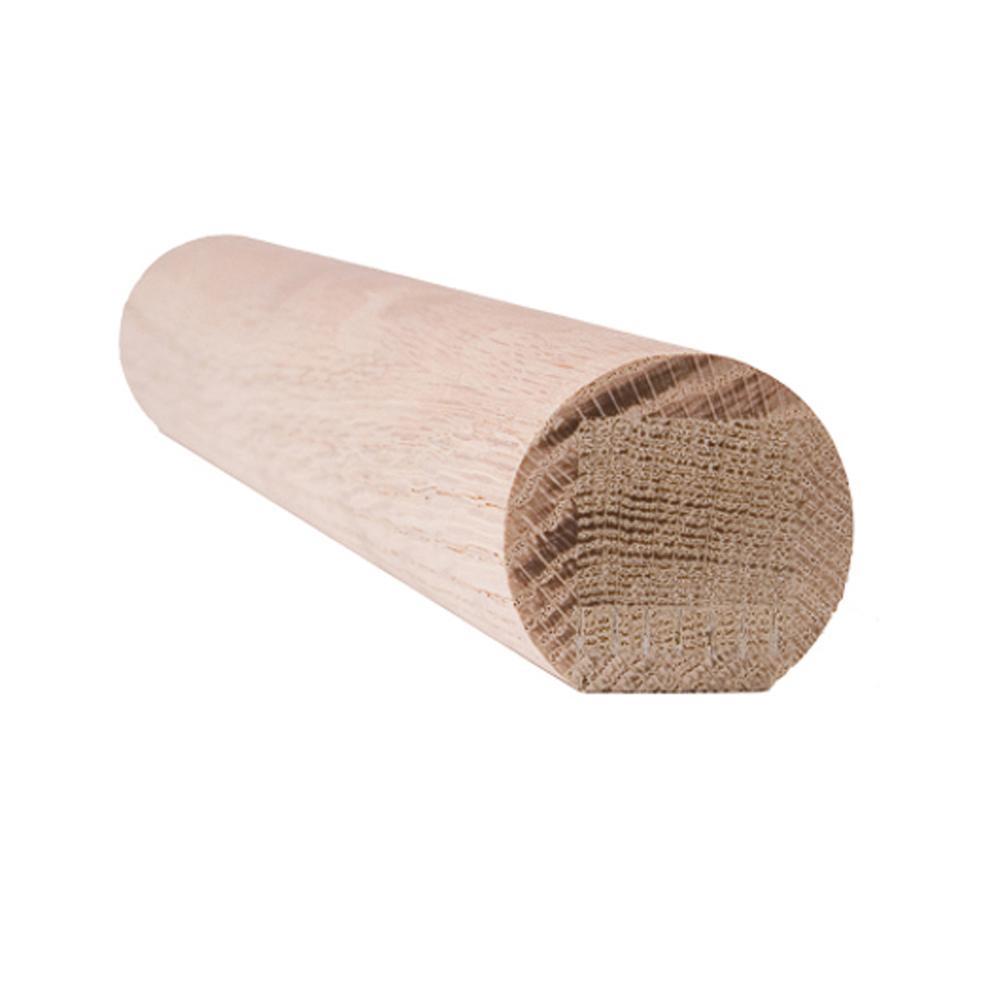
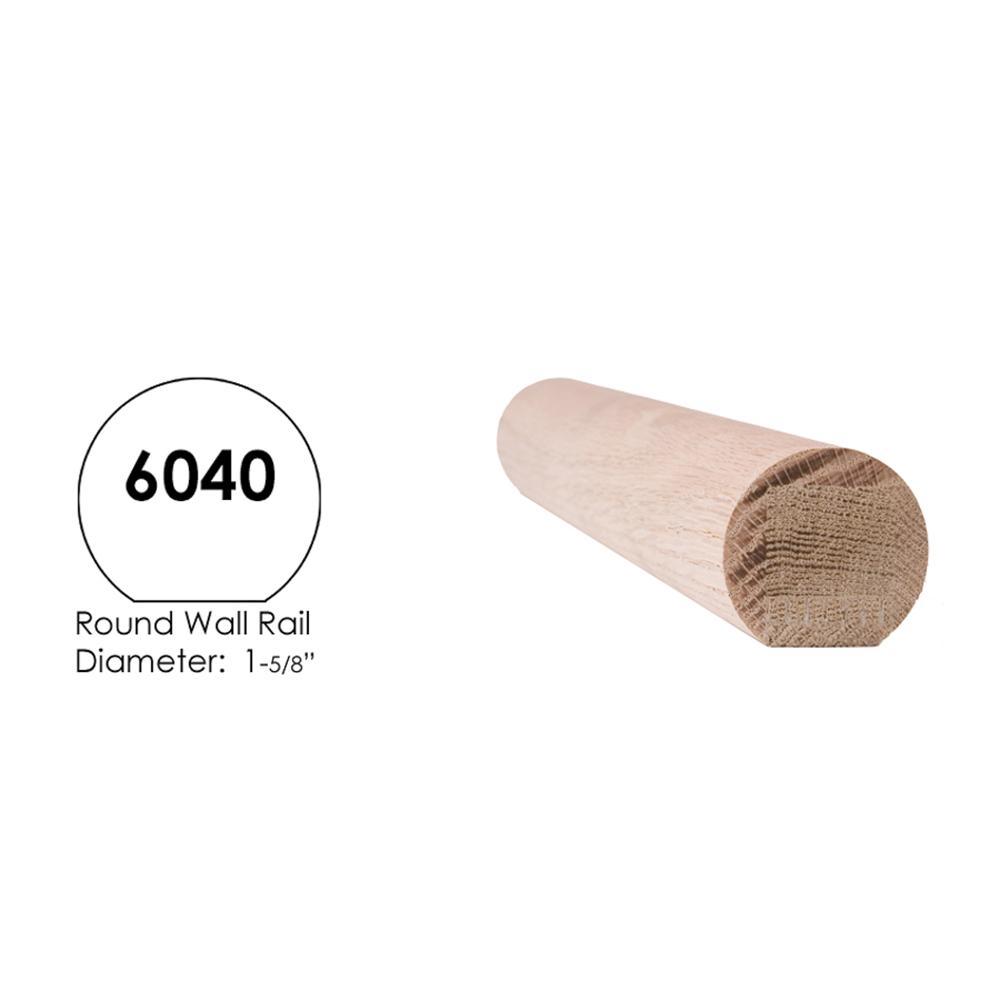
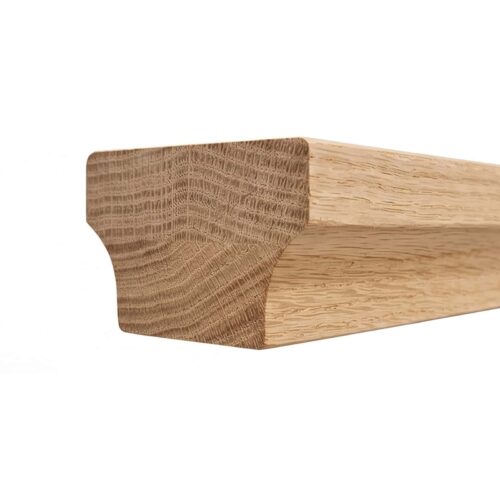
This House of Forgings 6040 wall rail wooden handrail in red oak measures 1-3/4 inches wide with a flat bottom that measures 7/8 inches wide, designed for wall-mounted staircase installations.
Key specs:
- Material: Red oak wood.
- Dimensions: 1-3/4″ width; 7/8″ flat bottom.
- Code compliance: Meets International Residential Code (IRC) standards for wall-mounted handrail profiles in residential stairs.
- Design: Wall rail profile; unfinished and ready to stain, free of knots and defects.
Usage Tips: Although ready to stain, inspect for handling marks or smudges and lightly sand with 220-grit or finer paper, then wipe clean with a tack cloth before applying stain to ensure even absorption.
Availability and lead times:
- Red oak: Stocked and ready for immediate shipping.
3 reviews for 6040 Wall Rail Wooden Handrail – 1-3/4″ Wide – Red Oak
Clear filtersOnly logged in customers who have purchased this product may leave a review.
Sanding & Staining Guide for Unfinished Wood Stair Parts
Our wood treads, handrails, newels, and fittings ship unfinished and factory-sanded to about 120–150 grit. That is a good starting surface, but we recommend a light final sanding before stain.
Before you stain
- Sand everything to 180–220 grit to clean up mill marks and even out the factory surface. On oak, 180 often gives a richer stain color; 220 feels smoother on handrails. Use one grit for the whole job.
- Sand with the grain.
- Use the same grit on every piece — treads, handrail, fittings, and newels. A coarser section will take more stain and look darker. A finer, more polished section will look lighter.
- Vacuum the dust, then wipe with a tack cloth or a clean microfiber cloth. For oil-based stain, a light mineral-spirits wipe also works and avoids leftover tack-cloth residue.
- Always test stain on the underside of a tread or a leftover offcut first.
- Optional: for deeper color on oak, damp-wipe the surface (water-pop), let it dry fully, then kiss it with 220 grit before staining.
Why color can vary, even on the same order Handrails and fittings are often made from finger-jointed or glued-up blocks. That is normal and helps keep long rails straight. It also means one run can include wood from different trees, different parts of a tree, and different grain cuts.
- Plain-sawn vs. quarter-sawn: Flat-sawn blocks and quarter-sawn blocks absorb stain and reflect light differently. Quarter-sawn oak can show silver “fleck,” which often stays lighter.
- Density: A tighter, denser block drinks less stain. A more open, porous block turns darker with the same product.
- Heartwood vs. sapwood: Natural color differences in the raw wood become more obvious after stain.
- Species undertone: White Oak has a cooler tan/olive tone and generally takes stain more slowly. Red Oak is more open-pored and can go much darker and redder with the same stain. If a project mixes species, the contrast will be strong.
This is why two White Oak pieces from the same order can still stain a little differently. It is a characteristic of real wood, not a finishing failure by itself.
What stain works best
- Oil-based stains (Minwax, Varathane, General Finishes oil-based) are usually the easiest on large stair parts. They give you more working time and blend better on treads and long handrail runs.
- Gel stains sit more on the surface and are useful on vertical pieces, fittings, and woods that blotch.
- Water-based stains dry faster and have less odor, but they can raise the grain. A light 220-grit sand after the first coat helps.
Use a pre-stain wood conditioner on Maple and other tight-grain woods. It is optional on White Oak. Red Oak is open-pored and usually takes stain evenly without it.
Apply thin coats. Wipe off the excess with the grain. After the stain is fully dry, protect the surface with a durable floor-grade topcoat. Stairs take more wear than furniture.
If the color already looks blotchy or mismatched Once a clear coat is on, you cannot just re-stain over it.
- The best repair is usually toning: a finisher adds a small amount of color to clear coat and blends the lighter sections to the darker ones.
- Gel stain can also be used as a glaze on lightly scuffed areas to close the gap.
- If a fitting or rail section is clearly a different species than ordered, that section should be replaced.
Stain and finish all matching parts at the same time, with the same product and the same sanding grit, for the most consistent result.

Verified owner Cynthia Wallin (Verified Customer) –
Cheap Stair Parts is a great company to work with. All the products are of excellent quality and the customer service is like talking to an old friend. We can highly recommend.
Verified owner Robert Posey (Verified Customer) –
I was replacing 8 stair handrails in the house, but my local hardware store only had 5 of the red oak rails I needed. I got the other three from cheapstairparts.com, and they were exactly the same product except the ones from cheapstairparts were better quality: one unbroken piece the whole length of the top, and the same on the bottom, instead of several joined pieces. Now I wish I’d gotten all 8 from cheapstairparts.com — the finished project would look better.
Verified owner JAMES MONAHAN (Verified Customer) –
Great quality.